Types of Check Valves Explained: Swing, Lift, Ball and More
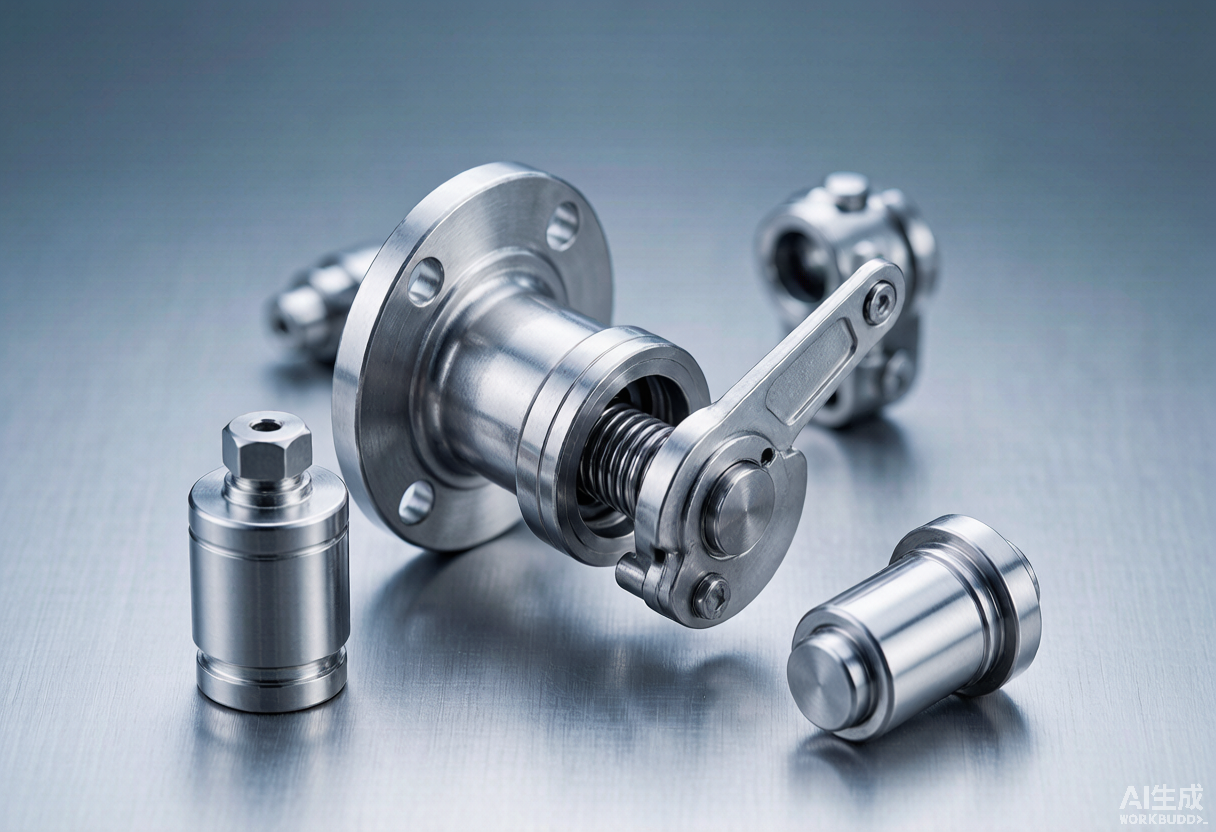
Check valves prevent backflow automatically. This article explains how they work and compares swing check, lift check, ball check, diaphragm and wafer check valves.
Introduction
A check valve — also called a non-return valve — is an automatic valve that allows fluid to flow in one direction and prevents backflow. It requires no handle, actuator or electricity: the pressure of the fluid itself opens and closes it.
Check valves protect pumps, meters, heaters and piping systems from the damaging effects of reverse flow and water hammer.
How a Check Valve Works
A check valve relies on a closing member — a disc, ball or flap — held against its seat. When the upstream pressure exceeds the cracking pressure, the member lifts off the seat and flow passes. When flow stops or reverses, the member falls back and seals, blocking the reverse flow.
Main Types of Check Valves
1. Swing Check Valve
A disc (flap) hinged at the top swings open with forward flow and closes by gravity when flow reverses.
- Pros: very low pressure drop, simple, reliable
- Cons: slow to close, prone to water hammer in pulsating flows
- Best for: water mains, large pipelines, horizontal installations
2. Lift Check Valve
A disc guided by a stem lifts vertically off the seat, similar to a globe valve.
- Pros: good sealing at higher pressures, quiet
- Cons: higher pressure drop, must be installed with the disc vertical
- Best for: steam, compressed air and high-pressure liquid lines
3. Ball Check Valve
A rubber or metal ball sits in a cage; forward flow lifts the ball, reverse flow pushes it back into the seat.
- Pros: self-cleaning, handles solids and viscous fluids
- Cons: higher pressure drop, noisier
- Best for: sewage, slurries, viscous liquids
4. Diaphragm Check Valve
A flexible diaphragm lifts from the seat under forward pressure.
- Pros: excellent sealing, no sticking, ideal for clean fluids
- Cons: limited pressure range
- Best for: pharmaceutical, food and sanitary applications
5. Wafer (Dual-Plate) Check Valve
Two spring-loaded half-discs fold open with flow and snap shut quickly when flow stops.
- Pros: very compact, lightweight, fast closure reduces water hammer
- Cons: higher pressure drop than swing type
- Best for: space-constrained plants and pump discharge lines
6. Silent (Spring-Loaded Inline) Check Valve
A spring pushes the disc against the seat; forward pressure compresses the spring.
- Pros: closes almost instantly, prevents water hammer
- Cons: pressure drop from the spring
- Best for: HVAC pumps and systems where noise is a concern
How to Choose a Check Valve
- Flow direction and installation space — swing valves need space; wafer valves do not
- Fluid type — solids and slurries suit ball or swing types
- Pressure and temperature — match body and seat materials
- Water hammer risk — choose spring-assisted or silent designs
- Cracking pressure — ensure the system pressure exceeds it reliably
Conclusion
Every check valve does the same job — preventing backflow — but each type trades off pressure drop, speed of closure and suitability for different fluids. Match the check valve design to your fluid, pressure and space constraints, and your system will stay protected for years.
Frequently Asked Questions
What does a check valve do?▾
A check valve allows fluid to flow in one direction only and automatically prevents reverse flow (backflow). It needs no external control — the fluid pressure itself opens or closes the valve.
Where should a check valve be installed?▾
Downstream of pumps, at the discharge of water heaters, on sprinkler systems and anywhere backflow could damage equipment or contaminate the supply. Install it in the direction of flow as marked on the body.
What is the difference between a swing check and a lift check valve?▾
A swing check uses a hinged disc that swings open, suitable for horizontal or vertical pipes with low pressure drop. A lift check uses a guided disc that lifts vertically off the seat, better for higher pressures but with more pressure drop.
Can check valves cause water hammer?▾
Yes. Rapid closure of a check valve disc can cause water hammer. Spring-assisted or silent check valves close faster and reduce the shock in systems with fluctuating flow.