What Is a Pipe Wrench? Types, Uses and Buying Guide
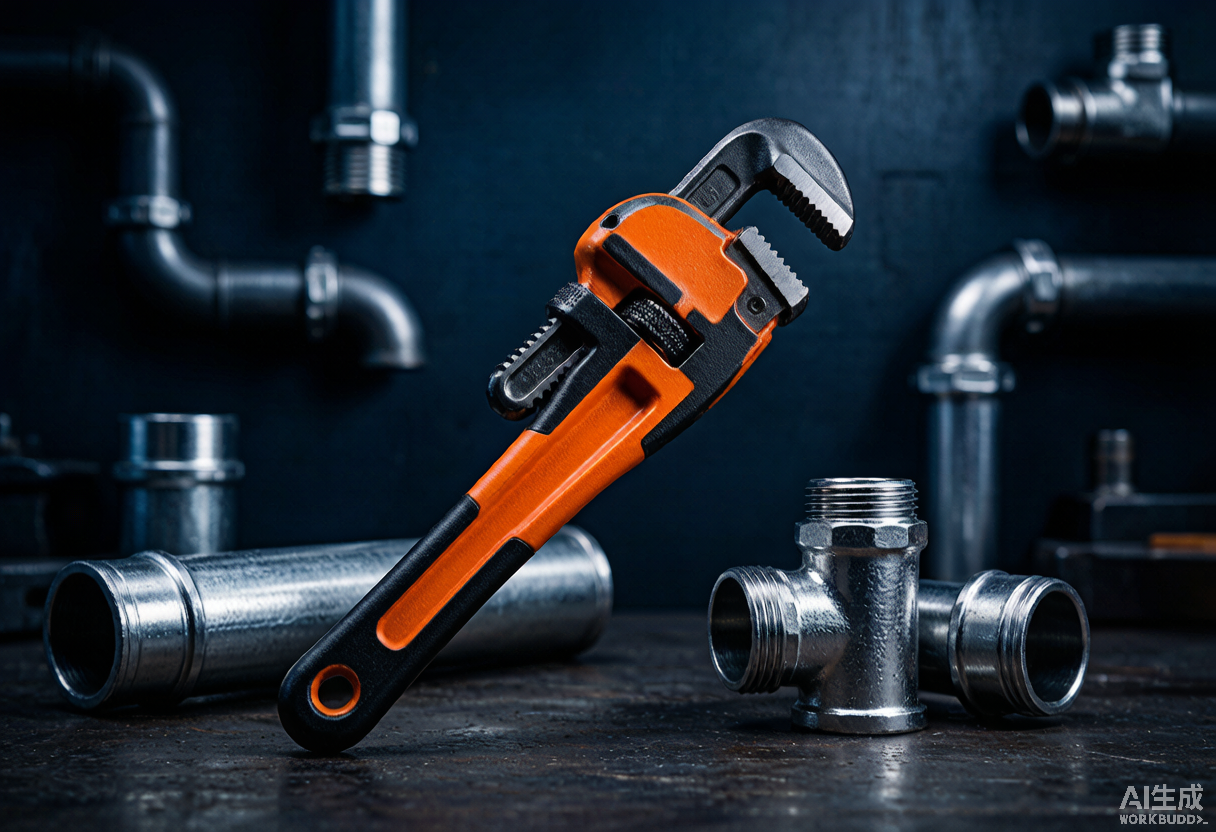
The pipe wrench is the plumber’s most iconic tool. Learn what it is, how the self-tightening jaw works, the different types available and how to choose the right size.
Introduction
The pipe wrench — also known as a Stillson wrench — has been a staple of plumbing and pipefitting for over a century. Its instantly recognizable design features a curved, toothed jaw mounted on a handle at an adjustable angle.
Unlike a regular wrench, the pipe wrench is specifically engineered to grip round objects, which is exactly why it is the go-to tool for steel pipe and threaded fittings.
How a Pipe Wrench Works
The secret of the pipe wrench is its self-tightening jaw mechanism. The upper jaw pivots on the handle. When you push the handle in the working direction, the jaw rocks forward and bites deeper into the pipe. The harder you pull, the tighter the grip.
This mechanism means:
- The wrench grips on the pull stroke only
- Teeth are angled so they bite into the metal surface
- It must be repositioned for each stroke — it is not a ratchet
Types of Pipe Wrenches
1. Straight Pipe Wrench
The classic design. The jaw is aligned with the handle, used for general pipe work and fittings.
2. Offset Pipe Wrench
The jaw is offset at an angle, allowing you to work in tight spaces and turn pipe close to walls or ceilings.
3. Strap Wrench
Uses a heavy fabric or rubber strap instead of teeth. Perfect for chrome, brass and plastic fittings — no marring.
4. Chain Wrench
A chain wraps around the pipe and grips it tightly. Excellent for very large pipes or pipes in confined areas where a regular jaw cannot fit.
5. Aluminum Handle Pipe Wrench
Lighter than traditional cast iron, reducing fatigue during long jobs. Ideal for professional plumbers who carry tools all day.
Pipe Wrench Sizes and Capacities
| Wrench Length | Typical Pipe Capacity |
|---|---|
| 8" | 1/4" – 1/2" |
| 10" – 14" | 3/4" – 1" |
| 18" | 1-1/4" – 2" |
| 24" | 2" – 3" |
| 36" | 3" – 4" |
How to Choose a Pipe Wrench
- Match size to pipe: measure the pipe diameter and add leverage margin
- Check jaw quality: heat-treated, hardened teeth last far longer
- Look for a strong adjustment nut: the quick-adjust mechanism should be smooth and lock securely
- Weight matters: for everyday professional use, choose aluminum handles
- Buy a known brand: reputable manufacturers offer better steel and warranty
Using a Pipe Wrench Correctly
- Always pull toward yourself — never push, which loosens the grip
- Keep the wrench at 90 degrees to the pipe for maximum bite
- Use pipe dope or penetrating oil on stubborn threads
- Never use a pipe wrench on nuts, bolts or finished surfaces
- Use a cheater bar only if the wrench is rated for it
Conclusion
A pipe wrench is an essential tool for any plumbing or pipefitting job. Understanding how its self-tightening jaws work, choosing the right type and size, and using it correctly will save you time and prevent damage to both the tool and the pipe.
Frequently Asked Questions
What is a pipe wrench used for?▾
A pipe wrench is used to grip and turn round objects — mainly steel pipe, nipples and fittings. Its self-tightening jaws bite harder as force is applied, giving a strong grip on round surfaces.
How do you choose the right pipe wrench size?▾
Match the wrench length to the pipe size: 8" (1/2" pipe), 10"-14" (3/4" to 1"), 18" (1-1/4" to 2"), and 24"-36" for 2" and larger. Longer wrenches give more leverage for stubborn joints.
Can you use a pipe wrench on chrome or brass fittings?▾
No — the serrated jaws will mar soft finishes. Use a strap wrench, smooth-jaw adjustable wrench or an oil filter-style wrench on chrome, brass or plastic fittings.
What is the difference between a pipe wrench and an adjustable wrench?▾
A pipe wrench has serrated teeth angled to bite into round surfaces and self-tightens under load. An adjustable wrench has smooth flat jaws designed for nuts and bolt heads, and should not be used on pipe.